Shadowing a doctor in high school? Make every day count.
Shadow Pre-MD shows students how to prepare for a day with a physician, what to watch for, and which questions to ask. It is built on what 43 practicing physicians said about the students they host.
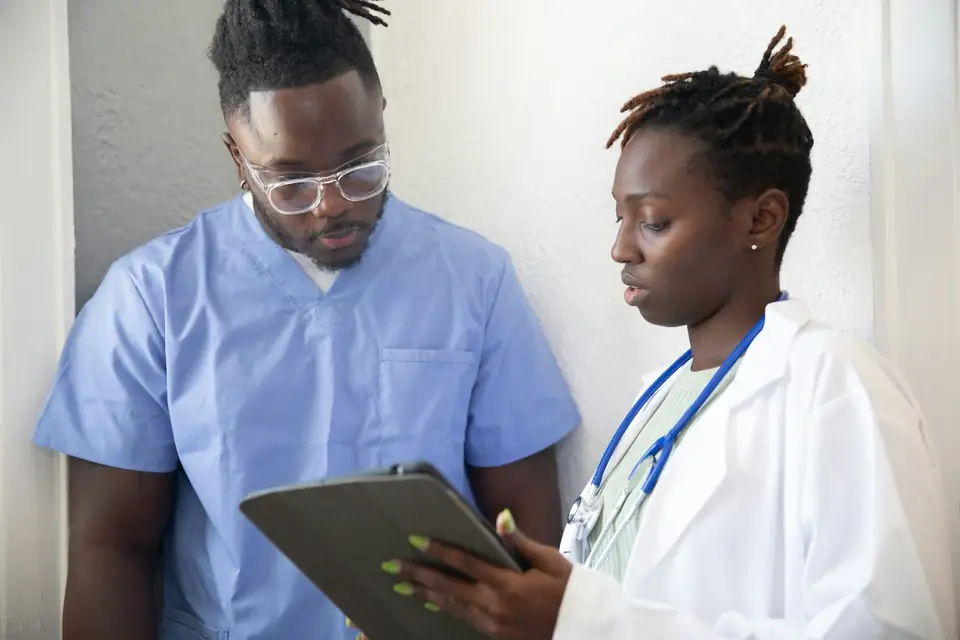
Why shadowing opportunities are so hard for high school students to find
Most high schoolers interested in medicine email physician after physician for a single day in a clinic. Many come away frustrated by how few chances exist and disappointed by how little the day taught them. Physicians explained why.See reference 1
79%
Doctors have little time to teach
Time was the barrier physicians named most. A doctor with a full clinic has few minutes left to explain what a student is watching.
34 of 43 physicians
56%
Hospitals have no shadowing program
More than half said no formal shadowing structure exists, so each visit gets improvised by a physician and a student who have never done it together.
24 of 43 physicians
51%
Privacy rules keep students out
Half pointed to institutional policies, and just as many to patient privacy. Unclear rules make it safer for a physician to say no.
22 of 43 physicians, for each
A student who is serious about medicine shouldn't have to email physicians endlessly with no hope of an answer.
Students who never get a useful look at the work stay unsure about medicine, and they never form a strong picture of themselves as a physician.
What doctors want from a high school student who shadows them
No student can give a doctor more hours or rewrite a hospital's policies. Showing up ready is different. It is also what worries the physicians who have never said yes.See reference 1
Which doctors worry about student preparedness
Share naming it as a barrier, by hosting experience
Small groups, so treat the gap as a lead worth testing (Fisher exact p = .045).
Resources physicians asked for most
Top requested resources, all 43 physicians
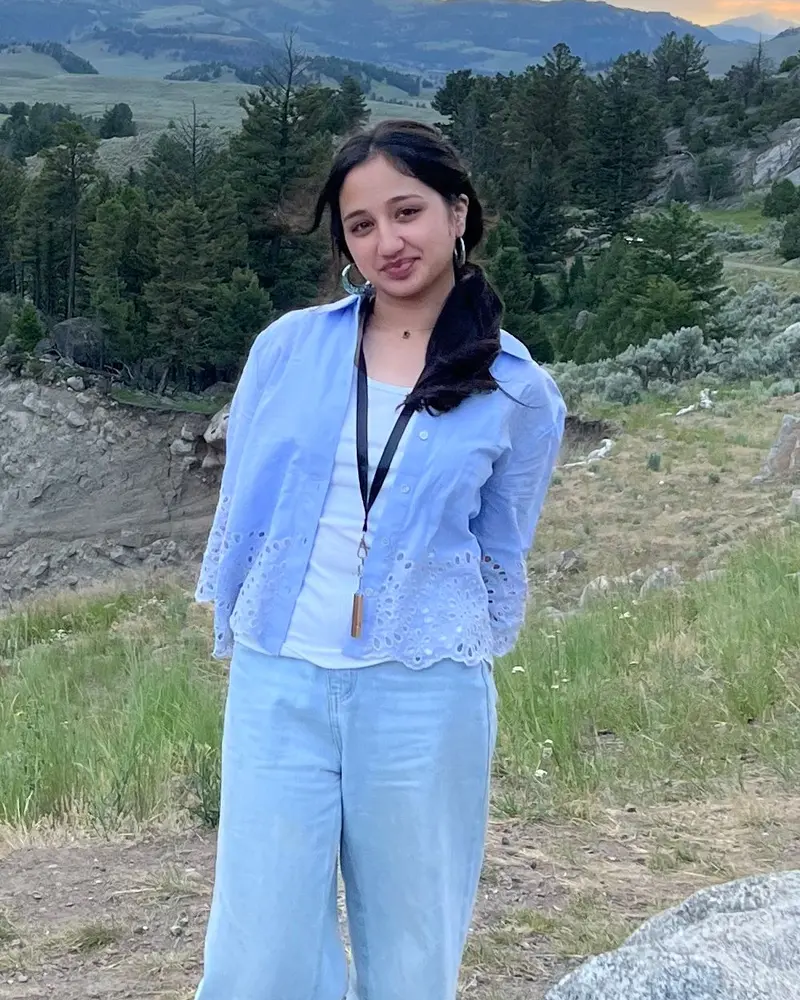
Zoha Waheed, a high school student who shadowed seven physicians
I'm Zoha Waheed, and I went through the same search.
I walked into my first endocrinology clinic knowing little more than what Google had told me the week before. Since then I have shadowed seven physicians across endocrinology, rheumatology, pulmonology, and infectious disease. Even once I had those opportunities, I found it difficult to get the most out of them.
So I went looking for answers. I read five peer-reviewed studies on clinical shadowing, surveyed 43 practicing physicians about what helps and what gets in the way, and submitted my findings as a research abstract to the 2027 Medical Education Innovation Conference. I put what I learned into this guide so the next student can walk in prepared.
- 7physicians shadowed across four specialties
- 5peer-reviewed studies reviewed
- 43practicing physicians surveyed
How to get more out of shadowing a doctor in three steps
You have done the hard part if a physician has said yes. Here is how to make the day worth it.
-
Download the free shadowing guide
It costs nothing. Save it before your first day in the clinic.
-
Follow each step before your first day
Ten short sections take you from finding a doctor to writing your thank-you note.
-
Learn more from every patient you see
Walk out knowing more about medicine and about whether you want it.
If you read through the guide and follow its steps, you will take away something useful from your shadowing.
What to do when shadowing a doctor: watch closely and ask questions
I asked physicians which factors matter most to a student's experience. Watching patient care and asking about it came out on top. Seeing a procedure landed near the bottom.See reference 1
What makes shadowing meaningful, according to physicians
Share of 43 physicians selecting each factor
The takeaway for a student: a quiet clinic day with a physician who answers questions is worth more than a dramatic one in the operating room.
Three research-backed habits for a better shadowing experience
The guide also leans on published studies of students in clinical settings. These findings came up again and again.
Keep a shadowing journal
Keep a journal or take notes while you shadow. Written reflection helps students analyze what they saw and spot what they still need to learn.See reference 2See reference 3
Ask the doctor your questions
Students who take the initiative and ask, instead of staying silent, get more value from the experience.See reference 4
Learn the plan before the day starts
Shadowing works better when the student is introduced to the team and the patients, and a clear structure is set from the start.See reference 4
Why prepared students learn more from the same clinic day
A shadowing day is your first real look at the career you are thinking about giving your life to. Physicians want to give you that look. In the survey, 31 of 43 said they would likely host a student if the right resources existed, and 32 of 43 rated standardized shadowing guidelines as highly useful.
Their days are short on time, and their hospitals have given them no structure to follow. That is why the student who arrives prepared, asks good questions, and writes down what they saw gets so much more out of the same day. Shadow Pre-MD shows you how to be that student.
How shadowing helps a student decide on a career in medicine
I started this search disappointed and frustrated. A day used well can settle the question you came in with.
- Make up your mind about medicine.
- Find a specialty you can see yourself in.
- Learn what a physician's day-to-day life looks like.
- Bring a sharper focus to the rest of your schooling.
Get the free medical shadowing guide for high school students
Read it before you walk into the clinic.
Works cited
- Waheed, Z. S. (2026). Physician perspectives on high school shadowing: Barriers, educational value, and opportunities for standardization. Cross-sectional survey of 43 practicing physicians. Abstract submitted to the 2027 Medical Education Innovation Conference.
- Mann, K., Gordon, J., & MacLeod, A. (2009). Reflection and reflective practice in health professions education: A systematic review. Advances in Health Sciences Education, 14(4), 595–621. https://doi.org/10.1007/s10459-007-9090-2
- Mafinejad, M. K., Ebrahimpour, F., Sayarifard, A., Shahbazi, F., & Gruppen, L. (2022). Reflection on near-peer shadowing program: Impact on operating room student's perception of their future profession. BMC Medical Education, 22. https://doi.org/10.1186/s12909-022-03891-w
- Estes, M., et al. (2026). From fly on the wall to future colleagues: Best practice recommendations for medical student shadowing programs. AEM Education and Training, 10(3). https://doi.org/10.1002/aet2.70214