Easy baking for anyone who wants to make something good today

Short recipe videos from Anna Kate Huneycutt, a high school senior who has baked since seventh grade. Each recipe takes a few ingredients and very little time, and the bloopers stay in.

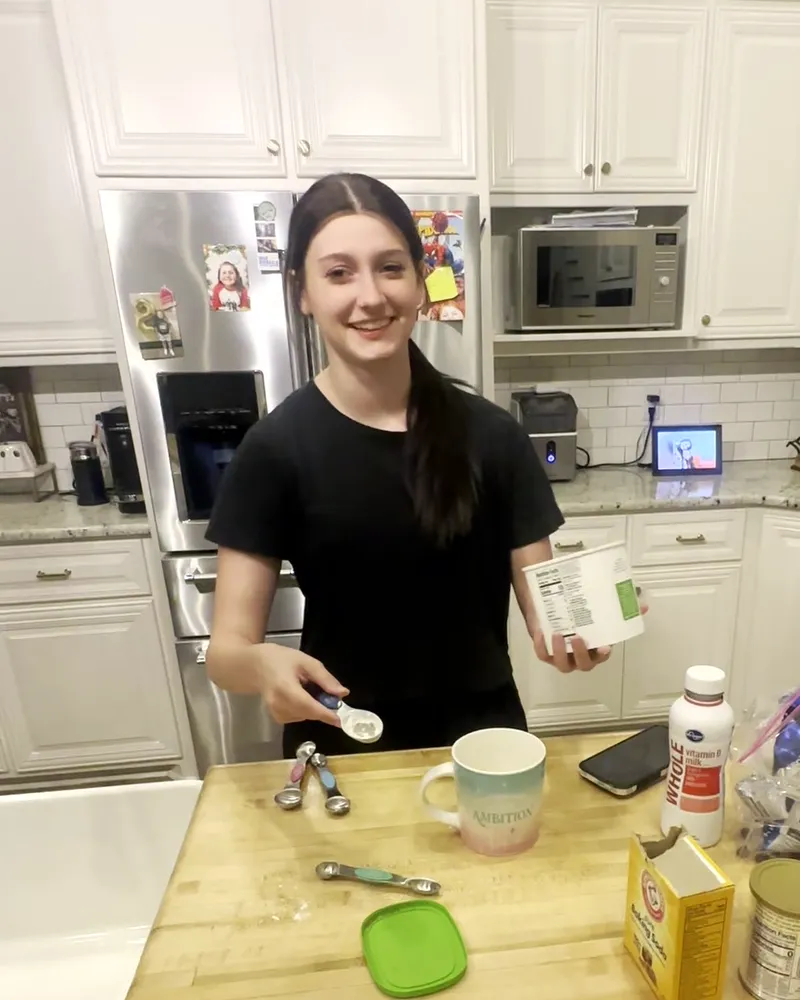
Anna Kate smiling at her kitchen counter with a measuring spoon, a mug and her baking ingredients

Starting to bake is harder than it looks

Plenty of people would love to bake and never start, or try once and give up.

Nobody knows where to start

New bakers don't know which recipe to try first, what to buy, or what the dough is supposed to look like.

One failed batch and they quit

When a recipe flops, people feel like they can't bake. They stop trying and buy cookies at the store instead.

Every baker fails at first

Nobody should feel bad about missing on the first try. Every good baker has a flat batch somewhere in their past.

A high school senior who still double-checks the teaspoons

I'm Anna Kate, and I bake to not feel like a moron.

I used to freak out because I'd forget if it was 2 tablespoons or 2 teaspoons. I still double-check every time, because I'm so afraid of messing up.

I've been baking since seventh grade. One time I put baking powder in my cookies instead of baking soda, and they came out completely flat. You just start over until it turns out right.

  • Cookies
  • Pies
  • Muffins
  • Cakes
  • Cake pops
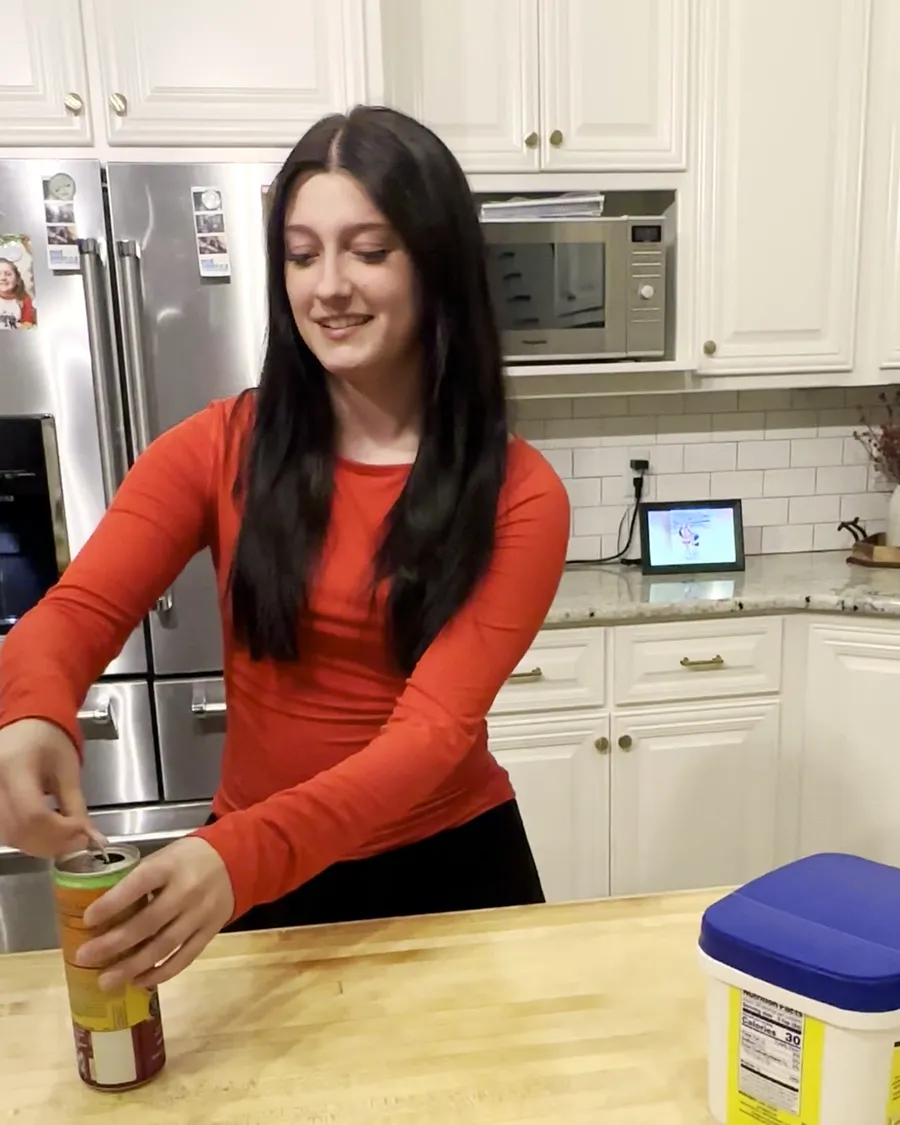
Anna Kate in a red shirt laughing at her kitchen island

“Ever wonder what a high school senior does after school?”

After tests, cheer practices, and girl drama, I bake. So come a little closer.

The bloopers stay in

I sneezed into the sugar. I took an energy drink break in the middle of the cookie dough. I made a mug cake in honor of the Queen of Country herself. I kept all of it.

“When I follow a recipe and it tastes good, I invite my friends over and they think I'm useful and cool. When I bake trash, I don't tell them. And you don't have to tell yours either.”

The research behind a mug cake

These studies look at cooking in general, and baking is one kind of cooking. They show strong links between cooking and a better life, though not proof that baking alone causes each result.

Habits that last

1,158 young adults

People who rated their cooking skills as very adequate at ages 18 to 23 cooked more meals with vegetables and ate fast food less often 10 years later.

Project EAT, Utter and colleagues, 2018

Before age 18

Adults who learned to cook as kids reported more cooking skills, more confidence and better diet quality than people who learned later.

Lavelle and colleagues, 2016

Confidence and mood

23 trials

Across 23 randomized trials of kids' cooking programs, the result that showed up again and again was more confidence and know-how in the kitchen.

van der Horst and colleagues, 2024

12 months later

Teens ages 12 to 15 in a New Zealand cooking program felt better right after it, and their cooking confidence was still there a year later.

Create-Our-Own Kai trial

Lower stress

In a small pilot study, adults' anxiety and cortisol levels dropped after baking. It had no control group, so treat it as a promising start.

Pratt Institute baking pilot, 2019

Later in life

41% lower risk

Adults over 65 in Taiwan who cooked more than five times a week were 41% less likely to die over the next ten years than those who never cooked, after accounting for their health.

Chen and colleagues, Taiwan, 2012

10,978 older adults

In Japan, adults over 65 who cooked from scratch at least once a week had a 23% (men) to 27% (women) lower risk of dementia over about six years.

Japan Gerontological Evaluation Study, 2026

Bake your first batch in three steps

  1. Gather your ingredients

    Pick a recipe and pull out what it needs. You probably have all of it already.

  2. Follow the recipe

    Bake along with my video, one step at a time. Pause it whenever you need to.

  3. Enjoy!

    Eat what you made, or share it and become everyone's favorite person.

These recipes are super simple, and they use things almost everyone keeps in the kitchen.

Recipes to bake this week

Watch the video, then bake along with the recipe card.

Peanut Butter Cookies

3 ingredients350°FAbout 12 minutes

“This recipe is super duper simple, and it's so good for just an after-school snack.”

  • 1 cup peanut butter
  • 1 cup sugar
  • 1 egg

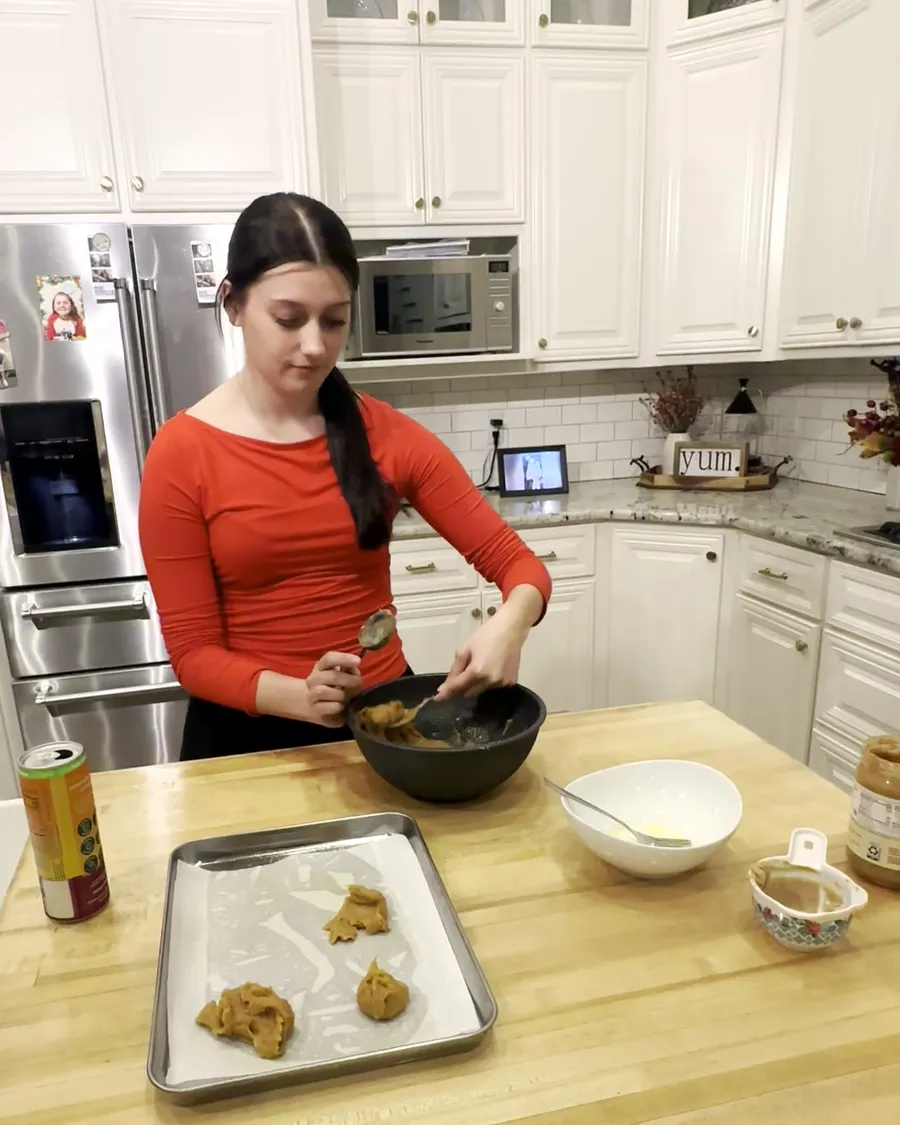
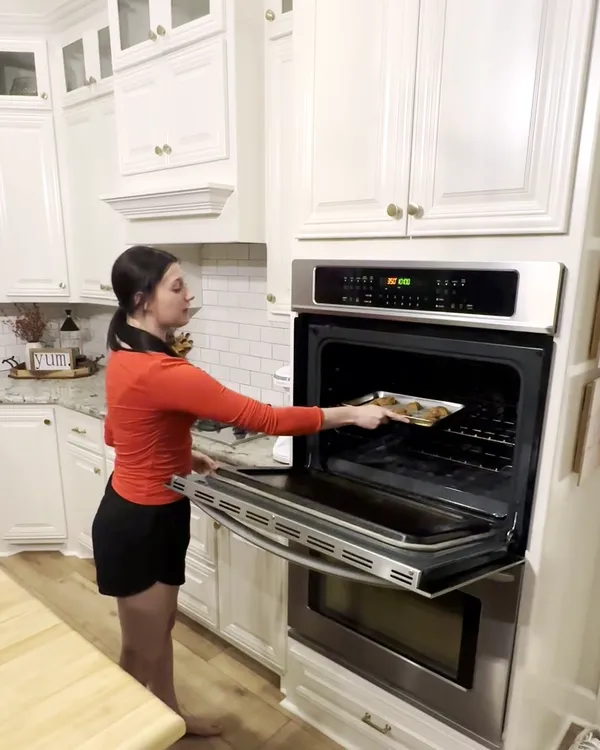
Mix everything in one bowl, roll the dough into little balls on parchment paper, and bake at 350° for about 12 minutes. Press a fork across the top first if you want them to look cute.

The dough should hold a cookie shape. If it's runny, add a little more sugar: these are cookies, not a cake.
Chocolate Mug Cake

One mugMicrowaveAbout 2 minutes

“Nothing says ambition like a chocolate mug cake.”

  • 3 tbsp flour
  • 2 tbsp cocoa powder
  • 2 tbsp sugar
  • ½ tsp baking powder
  • ½ tsp baking soda
  • ¼ cup milk
  • Chocolate chips, if you want them

Stir everything together right in the mug, drop in a few chocolate chips, and microwave for about 2 minutes.

This batter should be liquidy, because it's a cake. Read the spoon twice: tablespoons and teaspoons are not the same thing.

Coming next: chocolate chip cookies.

Anna Kate shaping peanut butter cookie dough onto a parchment-lined tray

Baking takes almost zero skill

That's what you find out after the first batch. Every recipe you finish makes you feel more accomplished, and soon you have a short list of treats you can make any afternoon.

Before

Feeling unproductive and not knowing what to bake.

After

Productive, with simple recipes ready to go.

What staying out of the kitchen costs

Without baking

  • You miss the feeling of having made something yourself.
  • You miss out on something totally delicious.
  • You spend a ton on takeout and DoorDash for treats you could make at home.

With a few easy recipes

  • You learn a basic skill that stays with you for life.
  • You feel productive and proud of what you made.
  • You become the friend who brings the cookies.
Anna Kate sliding a tray of peanut butter cookies into the oven

Your first batch is three ingredients away

The free recipe guide has both recipes, the mistakes I made so you can skip them, and what the dough should look like at each step.

Sources

  1. Utter, J., et al. "Self-Perceived Cooking Skills in Emerging Adulthood Predict Better Dietary Behaviors and Intake 10 Years Later: A Longitudinal Study." Journal of Nutrition Education and Behavior, 2018.
  2. Lavelle, F., et al. "Learning cooking skills at different ages: a cross-sectional study." International Journal of Behavioral Nutrition and Physical Activity, 2016.
  3. van der Horst, K., et al. "Outcomes of children's cooking programs: a systematic review of intervention studies." 2024.
  4. Create-Our-Own Kai randomised controlled trial of an intensive cooking program for adolescents, Dunedin, New Zealand.
  5. Cho, J. "Impacts of Baking as Art Therapy on Stress and Anxiety in Adults." Pratt Institute, 2019.
  6. Chen, R. C.-Y., et al. "Cooking frequency may enhance survival in Taiwanese elderly." Public Health Nutrition, 2012.
  7. Japan Gerontological Evaluation Study cohort on home cooking and dementia. Journal of Epidemiology & Community Health, 2026.